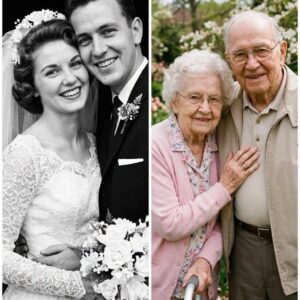
“At our 200-person grandparents’ anniversary party, my cousin handed out 23andMe kits as party favors. 11 weeks later, the results had ruined my family — and revealed I had a full biological sister nobody mentioned for 36 years. When I pulled one 1985 Polaroid from…”
My name is Eloise.
I’m 36 years old, a sergeant in the United States Army. Last June, I took leave to attend my grandparents anniversary party in Columbus. I stood flat against the cold drywall in the corner of the dining room, holding a flimsy paper plate with a few dry pastry crumbs.
In the center of the room, my mother and grandmother were pouring out an expensive bottle of wine. A bottle paid for by the hazard pay I earned sweating in Afghanistan. When a guest asked about me, my mother didn’t even turn her head.
She just waved a hand and muttered, “Oh, she’s around here somewhere.” To them, my blood money was a given. My actual presence was just a nuisance. But when my cousin brought out a box of DNA test kits as a party trick, they had no idea what was coming.
They didn’t know that a $90 plastic spit tube was about to dig up a corpse my mother and grandmother buried together the very night I was born 39 years ago. Before I get into the story, let me know where you’re listening from in the comments. Hit the like button and subscribe to the channel.
If you believe one simple truth, the most dangerous parasites don’t live out in the wild. They sit right next to you at the dinner table. The air inside the house was thick.
A greasy mix of garlic butter, roasted meat, and cheap perfume masking stale beer. 200 people crammed into Martha’s living room. forks scraped against porcelain plates, a grating noise making my teeth ache.
I stood in the far corner, my spine pressed against the freezing drywall. My dress uniform felt tight. I kept my hands folded, watching the room with cold precision.
Martha tapped a butter knife against her champagne flute. The drunken chatter died down. She stood at the oak table wearing a silk dress costing more than my first car.
She grabbed the microphone. Her voice dripped with fake warmth. “Family is sacrifice,” Martha announced, pressing a hand to her chest.
“Family is the foundation of everything we build.”
She raised her glass toward my cousin, a guy who flipped rotting houses on the east side. She spent 5 minutes praising his hard work, his dedication, his shiny new real estate license. The crowd clapped, stomping their boots on the hardwood.
I looked at the crystal chandelier hanging above her head. I looked at the freshly painted crown molding. Not a single word about the foreclosure notices.
Not a single word about the bank threatening to seize this room 3 years ago. My eyes drifted to the platter of prime roast beef in front of Martha. It was oozing dark red juices onto a tarnished silver tray.
My stomach tightened, not from hunger, from the bitter memory of the freezing dirt. Three winters ago, I was eating dry crackers from a foil pouch. The wind chill was 20 below zero.
My fingers were so numb I could barely feel my phone screen, but I managed to type my routing number. I wired $1,200 of my hazard pay to fix her leaking roof. I did it again the next month and the month after.
I paid for that roof. I paid for that chandelier. I paid for the wine they were currently washing down their throats.
Looking at the table filled with laughing relatives, I realized something pathetic. There wasn’t a single chair with my name on it. I was the bank, but I was not a guest.
Footsteps approached. My mother, Linda, shoved her way through the crowd, she wore a tight smile for the guests, but when she made eye contact with me, her face dropped into a flat, annoyed stare. She didn’t hug me.
She didn’t ask if I was exhausted from the long flight. Instead, she shoved a damp, foul smelling wad of paper towels hard against my chest. I caught it purely on reflex.
Someone spilled Merllo on table four. Linda muttered her voice low so the neighbors wouldn’t hear. Clean it up.
Don’t just stand there. She didn’t wait for a nod. She pivoted sharply and walked right back into the sea of laughing relatives.
Her fake smile instantly reappearing. I looked down at the wet napkins resting in my palms. The paper was turning a muddy stained red.
It was a slap straight to the face. Polite dismissal. I was just the hired help.
I tossed the wet garbage into a trash can. I didn’t move toward table four. I stayed glued to my cold wall, my jaw locked tight, breathing slow and steady.
Listen up, everyone. A shrill voice cut through the music. My younger cousin, Paige, skipped into the center of the cramped room.
She held a basket filled with colorful cardboard boxes. 23 and me kits. I got these on sale.
Paige laughed, tossing a box to my uncle. Let’s see if anyone in this house actually has royal blood. Or maybe we’ll find out.
Uncle Ricky is secretly Irish. The room erupted into laughter. Hands reached out, grabbing the boxes like cheap party favors.
Relatives tore the plastic wrap off, joking about dark family secrets and hidden bank accounts. But I wasn’t looking at them. I was looking directly at the VIP table.
The temperature around Martha seemed to plummet instantly. Her polite smile vanished without a trace. Her jaw locked so hard the muscles twitched.
I watched her right hand drop to the armrest of her wooden chair. Her knuckles turned pure white as she gripped the wood. She wasn’t breathing.
Her chest had completely stopped moving. Martha’s panicked eyes darted away from the DNA boxes. She stared over the heads of the crowd, locking onto the brick fireplace mantle on the far side of the room.
I followed her desperate gaze. Sitting in the center of the dusty brick mantel was an old mahogany box. It had a tarnished brass latch.
It had been sitting there my entire life, always locked. Martha swallowed hard a visible gulp in her wrinkled throat. The absolute terror radiating off her pale face was undeniable.
I didn’t need to ask questions. I didn’t need to yell. The suffocating silence told me everything.
They were hiding something massive, and my grandmother was terrified. I looked down at the 23 and Mikit Page had shoved onto the table near me. I picked it up.
I peeled off the plastic wrap with a deliberate tear. I popped the cap off the small plastic tube, brought it to my lips, and spit inside. I stared at my grandmother’s frozen face across the room, feeling nothing but a cold, hard clarity.
I pushed the heavy plastic cap down. Click. 11 weeks.
That was how long it took for the lie to finally crack open. My apartment was dead quiet. The only sound was the constant grinding were of my laptop cooling fan.
It was past midnight. The main lights were off. A pale blue glow from the screen washed over my face.
I sat at the fiberboard desk, my back perfectly straight, staring at the inbox notification. The subject line was simple. Your DNA results are ready.
I clicked the link. The web page loaded bright and clinical. I went straight to the family tree matches.
I expected a list of distant cousins. A few names I’d heard whispered around the dinner table. I started scrolling.
Third cousins. Second cousins. Then my finger stopped on the trackpad.
Right at the top of the list, a name printed in thick dark letters. Lenor Briggs. Next to the name was a number 50% DNA shared.
The screen blurred. I blinked hard. The classification sat there in plain English.
Full sibling, not a distant relative. a sister. My throat closed.
The air felt heavy like trying to breathe underwater. I gripped the edge of the desk, squeezing the cheap wood until my joints throbbed. A sister.
The memory hit like a physical blow. The smell of cheap laundry detergent and damp carpet filled my nose. I was 8 years old, sitting on the peeling lenolium floor of our kitchen in Columbus.
I had just come home from a birthday party surrounded by kids with big families. I asked my mother why I was alone. I begged for a sister to protect me from Martha’s biting remarks.
Linda stood by the sink, wiping her hands on a stained dish towel. She knelt on the hard floor, wrapping her arms around me. She stroked my hair, her eyes full of manufactured sorrow.
“I am so sorry, sweetie,” she had whispered, her voice trembling just the right amount. “God only gave me you. We just have to be strong together.” I believed her.
I spent 36 years thinking my mother was a helpless woman trapped under the cruel thumb of her mother-in-law. It was all a script. She wasn’t a victim.
She was a master actress. She looked an 8-year-old child in the eyes and sold the only child tragedy without a blink. She played the weeping martyr, knowing exactly what she had done.
God didn’t leave me alone in that house. Linda did. She threw away half of her own blood.
A normal person would have lost their mind right then. A normal person would have thrown the laptop against the wall. They would have grabbed the phone, called their mother, and screamed until their vocal cords tore.
I did not move a single muscle. My hands rested flat on the desk. My breathing slowed.
Deep inhales through the nose, slow exhales through the mouth. The discipline ingrained in my bones took over. When you realize the ground beneath you is rigged, you don’t stomp your feet.
You freeze. You assess. I reached for a loose piece of scratch paper sitting next to the mouse.
I folded it in half. I pressed my thumbnail down the crease, making it razor sharp. I folded it again, a perfect square.
My mind was completely clear. I logged into my credit union account. The balance was built on overtime hazard pay and freezing nights sleeping in the dirt.
I initiated a wire transfer, $3,200. Next, I searched for a specialist, Dr. Marilyn Cho.
a forensic genealogologist, someone who tracked down ghosts hidden in bloodlines. I sent her an email with the transaction receipt and a screenshot of the Lenor Briggs result. I needed paper trails.
I needed concrete proof before I set the house on fire. I closed the laptop. The blue light vanished.
The apartment went completely black. The next afternoon, the trap sprang itself. I was standing in my kitchen, wiping down the already spotless laminate counter with a damp rag moving in straight, methodical lines.
My phone vibrated against the counter, the cheap plastic rattling. I looked down. The caller ID flashed one word.
Mom, I let it ring three times. On the fourth ring, I picked it up. Hello, I said.
My voice was flat, carrying no emotion. Hi, honey. Linda chirped.
Her tone was overly bright. sweet, saturated with a fake nervous energy. Just calling to check in.
I know you were tired after the party. I am fine, I said. I stopped wiping the counter.
I stared at the blank white wall above the sink. Good, good, Linda rambled. I could hear the forced casualness in her breath.
Hey, you know those stupid little boxes Paige handed out? Those DNA things Martha is throwing a fit about the mess. You didn’t keep yours, did you?
You threw that garbage away, right? Before I tell you what happens next, I need you to do something for me. Hit the like button, subscribe to the channel, and drop a comment below.
Have you ever caught your own flesh and blood in a massive lie? Tell me your story in the comments. I read every single one because I know exactly how much that betrayal burns.
I stood perfectly still in the kitchen. I pictured Linda holding her phone, sweating, waiting for the axe to fall. I adjusted my grip on the phone.
I lowered my voice, letting it drop into a cold, dead calm. I threw it out, Mom. I lied smoothly.
It is all just garbage. Oh, wonderful. Linda exhaled loudly.
The relief in her voice was pathetic. Just checking, sweetie. Love you.
Goodbye, I said. I pressed the red button on the screen. The call ended.
I set the phone down on the counter. She had just handed me the keys to her own destruction. She walked right into the cage and I just locked the door.
Dr. Marilyn Cho slid a thick manila folder across the scratched mahogany desk. The air in her office smelled of old paper bitter coffee and dust.
I did not reach for the folder immediately. I sat perfectly still in the hard plastic chair. My backstraight feet planted flat on the floor.
“Open it,” Cho said. Her voice was flat, carrying no pity. I flipped the heavy cover.
The first page was a faded photocopy. St. Catherine’s Hospital, 1985.
The text was typewritten, “The black ink heavily smudged in the corners. Mother Linda Connelly, offspring female, twin A, female, twin B. Eloise and Lenor.
Two heartbeats. One day I dragged my thumbnail across the rough, grainy surface of the paper. My breathing remained steady, but the muscles in my jaw tightened until my teeth ground together.
Cho did not speak. She simply reached over and turned the page for me. The second document was not a hospital record.
It was handwritten on a piece of yellowed legal pad paper. There was no state seal, no social worker stamp. It was a private contract.
I read the messy cursive. The words burned into my retinas. The Briggs family agreed to forgive a debt of $14,000 owed by Earl Connelly.
In exchange, Martha Connelly and Linda Connelly agreed to forfeit custody of one newborn female immediately upon discharge. $14,000. The price of a used Honda Civic.
The price of my sister’s life. Bile rose in the back of my throat, thick and acidic. I swallowed it down.
Just last month, my phone rang. Linda was crying on the other end. The furnace blew out.
She begged for $3,000 so they would not freeze in the Ohio winter. I ate canned soup and skipped lunches for 12 straight weeks to wire her that money. I starved to keep their house warm.
I sacrificed my own comfort for people who looked at a newborn baby and saw poker chips. 14 grand to clear the books at some underground card game in the rust belt. My entire life, my loyalty, my money.
It was all a sick joke to them. I stared at the bottom of the page. Martha’s signature was scrolled in thick black ink, sharp and jagged.
Below it, Linda’s signature. It was weak, slanted, but it was there. She signed it.
I closed the folder. The sharp edge of the manila paper sliced a thin line across my index finger. A tiny bead of blood surfaced.
I did not wipe it off. I stood up, pushed my chair in so it sat perfectly flush with the desk and walked out without saying a word. The drive to my parents’ house took 40 minutes.
The radio stayed off. The silence inside the cab of my truck was absolute. I pulled into the cracked asphalt driveway.
The house looked exactly the same as it always did, peeling white paint, an overgrown lawn, a facade of lower middle class decency. I walked through the side door. I didn’t knock.
The kitchen smelled of harsh bleach and cheap vanilla candles. Linda was standing at the island trimming the stems of some grocery store carnations. She wore a faded yellow apron over her jeans.
A perfect picture of domestic innocence. She looked up startled by the door closing. The heavy metal scissors froze in her hand.
Eloise. You didn’t tell me you were coming. I stopped 6 feet away from her.
I kept my hands out of my pockets, hanging loose at my sides. I looked at the flowers, then up to her face. “Mom,” I said.
My voice carried zero weight. It was dead before I was born. “Were you ever pregnant?”
The kitchen went entirely silent.
The refrigerator hummed a low-grading mechanical tune. Linda’s hands gave a slight violent jerk. The scissors clattered against the granite countertop.
She stared at me. her pupils dilated. For one split second, the mask slipped.
I saw it. The raw, unadulterated panic of a cornered animal. Then the actress returned.
She forced a soft, trembling smile. She reached out her fingers, nervously touching the pink flower petals. “What a strange question!” she breathed her voice dripping with artificial sweetness.
“You are my only child. You know that God only gave me you.”
I stared right through her. I didn’t blink.
I didn’t yell. I just gave a single slow nod. The verdict was sealed.
The door to forgiveness slammed shut. I turned my back on her and walked straight out the back door toward the garage. The heavy wooden door stuck at the bottom.
I kicked it open with my boot. The air inside was thick with the stench of motor oil exhaust and damp concrete. My father, Robert, was hunched over the open hood of a rusted Ford pickup.
His hands were coated in black grease. He was whistling to a crackling radio, completely oblivious to the rot eating away at his own house. “Dad,” he jumped slightly, hitting his head on the hood.
He pulled himself out, wiping his greasy hands on a dirty rag. “Hey, kiddo,” he grunted, forcing a smile that didn’t reach his eyes. “What brings you around?” I stayed by the doorway, blocking the afternoon light.
I talked to a genealogologist, I said smoothly, watching his hands, she said. The DNA results came back with a severe anomaly. Robert stopped wiping his hands.
His shoulders stiffened into stone. A heavy socket wrench slipped from his fingers. A sharp ringing crack echoed off the cinder block walls as the solid metal hit the concrete.
It rolled to a stop right at the tip of my boots. Robert did not bend down to pick it up. He stared at the floor, refusing to look me in the eye.
He rubbed his jaw, leaving a dark smear of motor oil across his pale, sweating skin. “Those those tests are garbage,” he mumbled, his voice, shaking. He turned his back to me, blindly, reaching into a toolbox.
“Don’t pay any attention to that junk. People make mistakes.” “A coward. A pathetic, spineless coward.” He stood by while his wife handed her own baby over to strangers.
He watched his mother sell his child to pay off his father’s gambling debt. And now, 36 years later, he was hiding behind a dirty truck engine. I looked down at the wrench by my foot.
I didn’t kick it back to him. I didn’t say goodbye. I turned around and walked out into the driveway, pulling my phone from my jacket pocket.
I opened my contacts. I stared at the blank screen, my thumb hovering over the keypad. I typed a name, Lenor Briggs.
Dr. Dr. Cho had given me one last piece of paper before I walked out of her office.
I had kept it folded in my jacket pocket, avoiding looking at it until now. I sat at my kitchen table, the cheap laminate cold under my forearms. I unfolded the paper.
It was a copy of the hospital discharge log. The handwriting was cramped, written by a tired nurse working the graveyard shift. Second infant removed from room at 11:47 p.m.
per family request. 11:47 at night. They did not take her out in the daylight.
There were no balloons, no baby blankets. My mother and grandmother waited until the halls were empty. They handed a screaming newborn over to strangers in the dead of night, sneaking my sister out the back doors like a piece of stolen property.
But that was not the worst part. The worst part was the date on the county clerk’s destruction log attached to the back of the file, 2008. I stared at the year printed in heavy black ink.
My chest tightened. The air in my kitchen suddenly felt too thin to breathe. In the winter of 2008, I was stationed overseas.
I spent every night listening to artillery shells shaking the dirt from the ceiling of my bunk. I was 19 years old. I was terrified.
Every single Sunday, I sat on an overturned plastic bucket and wrote a letter home to Linda. I cramped my fingers writing those pages, desperate to make sure that if I came home in a wooden box. My mother would know I loved her.
And while I was writing those letters in the dirt, Linda was busy. She had seen the Ancestry testing commercials popping up on the television. She smelled the threat.
So, while I was praying to survive the night my mother drove her sedan down to the county records office. She walked into a heated building, signed her name on a legal pad, and ordered the permanent destruction of her original adoption surrender forms. She erased Lenor.
She made sure the paper trail burned. Her love was never about protecting me. It was only ever about protecting herself.
I pushed the paperwork away. My hands were shaking. I forced them flat against the table until the trembling stopped.
I did not log on to social media. I did not search for Lenor Briggs on the internet to send a messy emotional message. I pulled out a blank sheet of notebook paper and a black pen.
I wrote four short sentences. No apologies, no dramatic confessions, just the cold hard facts. My name is Eloise.
We were born on the same day at St. Catherine’s Hospital. I have a file you need to see.
I wrote my phone number at the bottom. I sealed it in a cheap envelope, drove to the post office, and dropped it into the blue metal box on the corner. Then I waited.
One day passed, then two, 3, 4, 5 days of absolute suffocating silence. On the morning of the sixth day, I was standing at the sink washing a coffee mug with scalding hot water. My phone vibrated against the counter.
An unknown number, area code Dayton. I picked it up. I did not say hello.
A woman’s voice spoke on the other end. It was slightly raspy, quiet, and hesitant. Park View Diner, 1 hour.
The line went dead. I grabbed my keys. The Park View Diner was a run-down brick building on the edge of the county line.
The parking lot was full of potholes and rusted pickup trucks. I walked inside. A brass bell on the glass door jingled loudly, cutting through the low hum of the morning crowd.
The air inside was thick. It smelled like burnt coffee frying bacon grease and old bleach. I slid into a corner booth.
The red vinyl seat was held together by gray duct tape. I wiped a few stray sugar crystals off the edge of the table, moving my hand in a straight, perfectly horizontal line over and over. 10 minutes passed.
The brass bell on the door jingled again. I looked up. A woman stepped through the doorway.
She wore a plain white button-down shirt and a pair of faded blue jeans. She stood by the cash register looking around the crowded room. She raised her right hand and tucked a loose strand of dark hair behind her left ear.
My breath caught in my throat. It was like looking into a mirror, a living breathing mirror. She had the same sharp jawline, the same dark, tired eyes, the same slight tension in her shoulders.
The armor I had worn my entire life, the cold, disciplined shell I used to keep the world away, cracked right down the middle. She saw me sitting in the corner, her eyes widened. She walked down the narrow aisle, her boots scuffing against the checkered lenolium floor.
She stopped at the edge of my booth. We just stared at each other. The clinking of heavy ceramic coffee mugs and the loud chatter of the diner faded into dead static.
Lenor looked down at my face, then at her own hands. A bitter, painful smile broke across her face. Her voice was barely a whisper when she finally spoke.
I don’t think we need to wait for the DNA results. She slid into the booth across from me. I didn’t say a word.
I reached across the sticky syrup stained table. I held my hand out. Lenor looked at it for a second before reaching out and grabbing it.
Her hand was warm. Her grip was tight. For the first time in 36 years, I was not alone in the world.
I had family, real family, and tomorrow we were going to burn the fake one to the ground. The silence in my apartment didn’t last long. The Connelly family realized I was not playing their game anymore.
The panic set in. My phone sat on the kitchen counter buzzing violently against the cheap laminate. I picked up a damp rag, wiping the counter in straight, perfectly parallel lines.
I pressed the green button with my knuckle and turned on the speaker. I did not say hello. I just let her talk.
What are you doing? Linda’s voice echoed out of the small speaker. It was thick with forced dramatic tears.
Eloise, you need to call me back right now. Grandma is holding her chest. She can barely breathe.
You are giving her a heart attack. Please stop whatever this is and don’t destroy this family. I stopped wiping the counter.
I picked up my mug of black coffee. It was lukewarm, bitter, and tasted like burnt dirt. I took a slow, deliberate sip.
She was reading from a script. It was the same tired routine they used whenever someone stepped out of line. Guilt, sickness, the fragile older woman on her deathbed.
3 years ago when I tore my ACL, I spent two months dragging my leg around in a heavy brace. Martha did not call me once. Linda sent a text message complaining about the cost of gas being too high to visit.
But now, suddenly, my grandmother was dying of a broken heart. Eloise, are you there? Answer me, Linda screeched.
Her fake sobbing instantly snapped into real ugly anger. I didn’t argue. I didn’t justify myself.
I just stared at the phone, listening to her lose her grip. I reached out and tapped the red icon. The kitchen went silent again.
4 days later, the postman dropped a thick envelope into my metal mailbox. It had a clear plastic window on the front. A return address was printed in crisp, arrogant block letters.
A local law firm. I sat on my front porch steps, ignoring the cold concrete seeping through my jeans. I ripped the thick envelope open.
The heavy paper tore with a loud, satisfying noise. It was a cease and desist letter. Three pages of dense legal garbage demanding I immediately stop harassing the family, cease all invasions of privacy, and end any defamation of the Connelly name.
The final paragraph was the punchline. If I did not stop digging into the past, Martha would permanently remove my name from the family trust fund. I stared at the black ink.
I almost laughed out loud. A trust fund. The invisible pile of money they bragged about at every Thanksgiving dinner, hanging it over everyone’s heads like a carrot.
It cost at least $500 to have a lawyer draft a letter like this. Martha paid 500 bucks to send a piece of paper to shut me up. She viewed me as a threat.
The woman who controlled the entire family with an iron fist was sweating. She thought a cheap legal threat would make me fall back in line. She thought her dirty money meant something to me.
She was wrong. The letter just proved one thing. They were terrified.
I crumpled the heavy legal paper into a tight ball and threw it into the trash can. I didn’t call the lawyer. I didn’t call Linda.
I drove straight past the ponds and went directly for the weakest link. The Shady Pines Care facility smelled like stale urine, harsh bleach, and old mashed potatoes. The fluorescent lights overhead flickered with a sickly yellow hum.
The floors were covered in black scuff marks from rubber wheelchair tires. I walked down the long depressing hallway until I reached room 214. I pushed the heavy wooden door open.
My grandfather Earl sat in a gray vinyl wheelchair facing the dirty window. He wore a faded plaid shirt. An oxygen concentrator sat in the corner rhythmically hissing and clicking.
Hiss click. H click. A massive stroke had taken the left side of his body two years ago.
His mouth drooped downward. His left arm rested limply on a plastic tray table. I walked around the chair and stood directly in front of him.
He looked up at me with his good eye. He looked pathetic. I didn’t waste time.
I pulled the folded DNA print out from my jacket pocket and dropped it flat onto his tray table. “Her name is Lenor,” I said. My voice was completely dead.
$14,000. That was the price tag. Earl stared at the paper, his chest hitched.
The rhythmic hissing of the oxygen machine seemed to grow 10 times louder in the small room. He blinked hard, and a single heavy tear rolled down the right side of his wrinkled face, disappearing into his gray stubble. He opened his mouth.
His voice was a wet, grading rasp. It took immense physical effort for him to force the words past his lips. I I owed them, he croked, staring at his useless left hand.
The cards. Lost it all. The Briggs boy.
He wanted a kid. Martha. Martha made the deal.
He was crying now. Pathetic ugly tears of a coward who had lived his entire life hiding behind his wife’s cruelty. I felt absolutely nothing for him.
Where is the proof, Earl? I asked, leaning in closer. I know about the hospital.
What else is there? He squeezed his eyes shut, his good hand curled into a tight, trembling fist on the plastic tray. A picture, he wheezed, struggling to pull air into his weak lungs.
A nurse night shift. She took a Polaroid. The two of you sleeping.
My jaw locked tight, my teeth ground together. Where is it? Earl slowly opened his eyes.
He looked up at the cheap drop ceiling of the facility. Martha took it. He whispered.
She kept it to remind Linda of what she owed her. He coughed a wet rattling sound that shook his frail frame. The box.
Earl gasped on the mantle. The wood box. I stood up straight.
The cold air in the room suddenly felt electric. the mahogany box, the brass latch, the object Martha had stared at with absolute panic when the DNA kits were pulled out at the party. She didn’t destroy the evidence.
Her twisted, controlling ego wouldn’t let her. She kept the ultimate blackmail material locked up in her own living room for 39 years. She kept a picture of the baby she sold right next to the family photos, parading her power over my mother every single day.
I turned around and walked toward the heavy wooden door. Eloise. Earl croked behind me, his voice cracking.
What are you going to do? I didn’t look back. I stepped out into the hallway and let the heavy door slam shut.
I knew exactly what I was going to do. I was going to open that box. The law office of Arthur Pendleton smelled of lemon polish, old paper, and expensive leather.
5 years ago, I sat in the exact same burgundy chair. I was 24 years old, filling out my last will and testament before I went overseas. I paid Pendleton $300 out of my own pocket to ensure my life insurance policy would go directly to my mother and grandmother if I came back in a closed casket.
I wanted to make sure they were taken care of. The memory tasted like ash in my mouth. Now I sat perfectly still listening to the heavy wooden wall clock tick tick tick tick.
Pendleton sat across from me, staring at the thick file I had just dropped onto his immaculate mahogany desk. He was a probate lawyer. He handled the money when people died.
And in the Connelly family, money was the only religion that mattered. He typed something into his computer. The heavy rhythmic clacking of the mechanical keyboard filled the quiet room.
I need you to pull up the probate records for Phyllis Connelly. I said, my voice completely flat. She passed away in October of 2019.
Pendleton stopped typing. He adjusted his silver glasses, looking at me with a confused frown. Your great aunt Eloise, that estate was settled years ago.
The liquid assets were distributed without issue. Pull up the exact wording of the trust dispersement. I ordered.
I did not blink. He sighed, turning back to his monitor. More clacking.
Then he squinted at the bright screen. Here it is. the principal sum of $47,000 to be held in a high yield account released in full to the oldest grandchild of the Connelly family upon their 35th birthday.
He looked at me over the rim of his glasses. Which is you? You received that dispersement last year.
I reached into my jacket pocket. I pulled out the original birth certificate Dr. Cho had acquired from the hospital archives.
The thick, grainy paper scraped loudly against the polished wood as I slid it across the desk. Pendleton was a man who worshiped procedure. He liked things clean, documented, and properly filed.
He picked up the paper, his eyes scanning the smudged black ink. The color drained from his face in a matter of seconds. What I was showing him was not clean.
Read the times of birth, Arthur. I said quietly. He swallowed hard his Adam’s apple bobbing.
Twin A, Lenor, 11:35 at night. Twin B Eloise, 11:47. Lenor is the oldest grandchild, I stated.
She was born 12 minutes before me. Martha and Linda hid her existence to steal her inheritance. Pendleton set the paper down like it was burning his fingers.
He rubbed his forehead, his legal mind spinning. Eloise, if there was a legal adoption, the inheritance rights would be legally severed. She wouldn’t be entitled to the trust.
I leaned forward, placing my forearms on the desk. There was no legal adoption. There was no court order.
There was no judge. My grandmother traded her to a local family to settle a $14,000 gambling debt. The room went dead silent.
The wall clock kept ticking. Pendleton stared at me, sheer horror creeping into his eyes. “That that is human trafficking,” he whispered.
That is a federal crime. I gave a single slow nod. Martha sent me a cease and desist letter yesterday.
She threatened to cut me out of the family trust if I didn’t stop digging. I watched the realization hit the lawyer. The trap was perfect.
If Martha tried to enforce her threat or if she tried to block Lenor from claiming the $47,000, she would have to explain the lack of adoption papers to a federal judge. Martha Connelly was backed into a corner covered in her own gasoline, holding a lit match. I owned her.
I stood up, pushing my chair back. It scraped harshly against the hardwood floor. I picked up the original birth certificate, folded it neatly into a square, and walked out without another word.
The wind whipped across the gray concrete parking lot outside the diner. It bit through my thin jacket, but I didn’t shiver. The diner behind us was noisy, filled with the clatter of cheap silverware and yelling cooks.
But out here in the lot, the silence was heavy. I stood by the rusted bumper of my truck, watching Lenor walk toward me. She wore a heavy black coat.
Her hands shoved deep into her pockets. Her shoulders were tense. She stopped a few feet away.
The cold air turned our breath into thin white smoke. I didn’t offer a warm greeting. I reached into my pocket and pulled out the folded paper.
I handed it to her. Lenor took it. She unfolded the thick paper, her eyes dropping to the ink.
She saw her own name. She saw the exact time of birth. She saw the mother who threw her away.
They priced your life at $14,000. I said, my voice cutting through the freezing wind. To pay off a card game, they handed you out the back door of a hospital so they could keep their house.
Lenor didn’t speak. Her fingers tightened on the edge of the paper, crumpling the corner. Aunt Phyllis left $47,000 to the oldest grandchild.
I continued watching her eyes carefully. Martha took it and gave it to me because they thought they buried you deep enough, but they didn’t. That money belongs to you, not me.
You. I stepped closer, lowering my voice. You have the right to take back that 47 grand.
You have the right to take your freedom, and you have the right to watch them choke on it. Lenor stared at the birth certificate. 39 years of lies.
39 years of a stolen identity living in the shadow of a family that lived just a few miles down the highway. The sadness in her tired eyes began to harden. The grief burned away, leaving nothing but pure unadulterated rage.
She slowly folded the paper. She didn’t hand it back. She slid it into the inside pocket of her heavy coat.
Lenor looked up. She stared right into my eyes. She reached up and deliberately buttoned the top collar of her coat, a physical shield locking into place.
This Sunday, Lenor said, her voice dripping with a cold, terrifying calm. At 7:00, I nodded slowly. I am going to my first family dinner.
She finished. The trap was set. The fuse was lit.
And in 2 days, we were going to blow the table to pieces. The air inside the dining room was thick smelling of fake cinnamon room spray trying to mask the greasy odor of fried pork chops. Sunday dinner.
The mandatory Connelly ritual. A stage built for fake smiles and cutting insults. I walked in my boots heavy against the hardwood.
11 people sat around the long oak table. The grating noise of silver forks scraping porcelain filled the space, making my teeth ache. I didn’t offer to carry the bowls from the kitchen.
For years, I served them. Not tonight. I walked directly to the chair at the far end of the table.
The seat reserved for kids or relatives without a voice. I pulled it out, sat down, and kept my spine straight. I folded my cloth napkin into a sharp square on my lap.
Martha sat at the opposite end, her throne. She wore pearls and a sharp, disapproving glare. She waited until Linda set down the last meat platter before clearing her throat a loud demanding sound that instantly silenced the room.
Eloise Martha said her voice carrying the cold weight of unquestioned authority. We are waiting. Your mother tells me you have been making wild accusations showing complete disrespect to this house.
I expect a full apology before anyone takes another bite. Linda sat to Martha’s right, her face twisted into manufactured sorrow. She sniffed loudly, dabbing a dry eye with a crumpled tissue.
Next to her, Robert chewed slowly, hunched over his plate. I didn’t flinch. I reached into my jacket and pulled out the brown manila folder.
I didn’t slide it politely. I leaned forward and tossed it directly into the center of the table. Thud.
It landed flat, knocking over a crystal salt shaker and stopping right on top of the main meat platter. The heavy paper stained a dark oily brown. The entire room went dead silent.
“Mom,” I said, my voice cutting through the hot room like a razor. I pointed my finger directly at Linda’s pale face. “Look at the first page.”
Linda’s hands shook violently.
“Open it,” I commanded. Martha reached over, snatching the folder. She flipped the cover back, scanning the hospital records.
You told me I was an only child. I said, keeping my eyes locked on Linda. You knelt on the kitchen floor when I was eight and told me God only gave you one daughter.
Tell me whose signature is on that handwritten contract from 1985 who traded a newborn infant to a family down the highway to settle a $14,000 card debt. Linda’s face turned ash gray. She dropped her fork against her plate.
Eloise, you don’t understand. she stammered, her voice, cracking. I understand perfectly, I said.
Dead and steady. And who drove to the county clerk’s office in 2008? Who signed the logs to permanently destroy the adoption surrender files because you saw the DNA commercials and realized your secret was going to rot out from under you?
You weren’t a victim, Linda. You were an active accomplice. You erased your own blood.
Robert slammed his greasy hands onto the table. Now see here, Eloise, you do not speak to your mother like that. I won’t allow.
I shifted my gaze to him. I just looked at him with the flat dead eyes of someone who had seen real horror. The absolute coldness hit him like a concrete wall.
Robert froze halfway out of his seat. His mouth hung open before his shoulders slumped. He sank right back down, staring helplessly at his lap.
I turned back to the head of the table. Martha gripped the edges of the folder so hard her knuckles turned pure white. And you, I said to my grandmother, “You thought a cheap lawyer’s letter would shut me up.
You sold your own grandchild to hide your husband’s gambling debts. Then you took the Polaroid. The night shift nurse took the only proof those two babies ever slept in the same room and locked it in that mahogany box on your mantle for 39 years.
You kept it as a trophy to keep my mother under your thumb. You did it for your own twisted pride. Before we find out how Martha tries to crawl out of this trap, I need your support.
If you believe this family deserves to face the truth, hit that like button, subscribe to the channel, and drop a comment below. Just type the word dinner. If you have ever sat through a toxic family meal where everyone pretended everything was perfect.
Your comments keep this story alive. Martha’s polite mask vanished. She slammed her closed fist onto the oak table, shattering a wine glass.
That is enough, she screamed, her voice screeching through the walls. That child was given away for the survival of this house. She does not belong to this family.
She is nothing to us, and no trailer trash ghost is going to walk into my home and take a single dime of my money. The air was hot and suffocating. Relatives sat frozen.
Then a sharp electronic sound cut through the screaming. Ding-dong. The doorbell echoed through the long hallway.
Nobody moved. Linda stopped breathing. Martha glared at the doorway, her chest heaving.
I stayed seated, a cold smile touching the edge of my lips. The heavy brass lock on the front door turned with a loud metallic scrape. The door swung open, letting a gust of freezing night air rush into the sweltering dining room.
Footsteps sounded on the hardwood. Slow, deliberate, steady. A woman stepped into the dining room archway.
She wore a heavy black coat flecked with cold rain. She raised her right hand and tucked a loose strand of dark hair behind her left ear. She had the exact same sharp jawline, the exact same tired, dark eyes.
Lenor stood there, her gaze sweeping across the terrified faces around the table. The silence became absolute. The final judgment had just walked through the door.
Lenor stood in the archway. The freezing rain dripped from her dark winter coat, hitting the hardwood floor with a soft, rhythmic tap. She raised her right hand, pushing a wet strand of dark hair behind her left ear.
She had the exact same sharp angular jawline. The exact same tension held tight in her shoulders. The exact same dark, exhausted eyes looking back at me.
I sat at the far end of the long oak table, my hands resting flat on the wood. For years, I remembered coming back from overseas, walking through the sliding glass doors of the airport terminal, watching other families holding cardboard signs, crying, hugging their kids. I always grabbed my duffel bag, caught a cheap cab back to a dark, empty apartment, and sat on a bare mattress.
I was entirely alone, paying the bills for a family that didn’t even want to look at me. Not tonight. I looked at the woman standing in the doorway.
Half of my own blood was right there breathing the same stale cinnamon scented air. Martha’s software glitch excuse evaporated into nothing. You cannot gaslight a room when the living breathing proof is staring right at you.
The silence in the dining room was absolute heavy and suffocating. You could hear the frantic wet sound of Linda struggling to pull air into her lungs. The pork chops on the serving platter were growing cold, the grease congealing into a thick white film.
Lenor didn’t yell. She didn’t cry. She kept her bare hands buried deep in her coat pockets.
She walked two steps forward, stopping at the edge of the dining room rug. She looked straight down the length of the table, locking her eyes directly onto the woman who threw her away. “Hello,” Lenor said.
Her voice was flat, carrying a rough grally edge that cut through the quiet room. “I am Lenor. I believe you have owed me an explanation for 39 years.
Linda broke. She slapped both of her hands over her face, letting out a loud, ugly sob. It wasn’t a cry of genuine guilt.
It was the desperate, pathetic whale of a cornered animal, realizing the trap had finally snapped shut. “I didn’t have a choice,” Linda choked out her voice, muffled and wet behind her shaking hands. “I was young.
I was so young.” Martha said we would lose the house. “The debt was too much. Shut your mouth, Martha roared.
She slammed her wrinkled hand down on the oak table, rattling the silver forks. She pointed a crooked shaking finger at Lenor. Get out of my house.
You do not belong here. Get out. I pushed my wooden chair back.
The legs scraped loudly against the hardwood floor, a harsh grinding noise. I stood up, keeping my back perfectly straight. I didn’t look at my weeping mother.
I didn’t look at the screaming old woman at the head of the table. I turned and walked directly toward the brick fireplace. My heavy boots hit the floorboards in a slow, calculated rhythm.
Martha stopped yelling at Lenor. Her eyes darted toward me. She saw exactly where I was going.
The remaining color drained entirely from her face, leaving her looking like a sick, panicked ghost. “Eloise, step away from that mantle,” Martha hissed. Her voice was suddenly thin, completely stripped of its usual demanding authority.
I didn’t stop. I walked right up to the dusty red bricks. I reached up.
My fingers wrapped around the smooth, cold wood of the old mahogany box. I pulled it down. It felt heavier than it looked.
“Put it down,” Martha shrieked, struggling to push her weight out of her heavy dining chair. “That is my property. You have no right.” I held the wooden box in my left hand.
I rested my right thumb against the tarnished brass latch. Click. The metal latch popped open.
The lid creaked as I pulled it back. The inside smelled like dry rot dust and old secrets. There was no cheap jewelry inside, no silver coins, just a single piece of thick glossy paper lying flat against the faded red velvet lining.
I reached in and pulled it out, a Polaroid photograph. The white borders were heavily yellowed with age. The image showed two newborn babies lying side by side in a clear plastic hospital bassinet.
They were wrapped in identical cheap cotton blankets with faded blue stripes. I turned around. I held the photograph high in the air right under the bright glaring light of the crystal chandelier.
14 sets of eyes stared at the faded picture. The ultimate undeniable proof. A night shift nurse took it.
Martha confiscated it. She kept it locked in a box on her mantle sitting right above the family Christmas stockings just to remind Linda who owned her. She treated a human life like a poker chip to pay off a rust belt card game, and she kept the receipt as a sick trophy.
The dining room completely collapsed. The quiet, polite relative suddenly realized the boat was going under. An uncle from Dayton threw his cloth napkin onto his plate and started screaming at Robert.
Aunts, who usually kissed Martha’s cheek, were backing away from the table, arguing loudly, panicked that this massive fraud would drag their own bank accounts into a federal courtroom. The rats were viciously turning on each other. Martha ignored the chaos.
She stared at me, her chest heaving her eyes wild with pure toxic venom. She gets nothing. Martha spat, gripping the edge of the table to keep her balance.
Do you hear me? The trust fund is mine. I will bleed it dry before I let a stranger touch a single dime of this family’s money.
I slowly lowered the photograph. I looked at the pathetic old woman desperately clinging to her crumbling throne. The lawyer checked the probate records.
Martha, I said. My voice was calm, cutting straight through the arguing relatives. The room went quiet again.
Lenor was born 12 minutes before me. She is the oldest grandchild. Martha’s jaw locked tight.
Aunt Phyllis left $47,000 specifically to the oldest grandchild. I continued speaking slowly, letting every single word twist the knife deeper. You signed the paperwork and gave it to me.
But the law doesn’t care about your gambling debts. That money legally belongs to Lenor. Linda let out another loud wet sobar face into her arms.
Robert just put his head down, staring blankly at his cold food. The probate court gets the official filing tomorrow morning. I stated staring right into Martha’s terrified eyes.
They are going to freeze every single account holding your name. I didn’t wait for her to scream again. I folded the thick Polaroid in half.
The old paper gave a sharp crack. I slid it deep into my front jeans pocket. I looked across the room at Lenor.
I gave her a single firm nod. Lenor didn’t say goodbye. She didn’t look at Linda again.
She just turned her back on the entire table. I followed her out into the long dark hallway. We walked out the front door, stepping back into the freezing rain.
I grabbed the heavy brass handle of the front door and pulled it hard. The heavy wood slammed shut, sealing the Connelly family inside a burning house they built themselves. 3 months.
That was how long it took for the entire Connelly family structure to completely rot and collapse. I sat in the driver’s seat of my rusted Ford pickup. The engine turned off.
The cracked vinyl seat was freezing against my back. It was late November. The Ohio air outside was bitter cold, frosting the edges of the windshield in a thick layer of white ice.
I breathed out, watching the thin vapor hit the glass and disappear. The heavy adrenaline from that Sunday dinner was long gone. My bones just felt heavy, like lead weights were pulling my shoulders down into the floorboards.
A thick manila envelope sat on the passenger seat next to me. The final probate ruling. The county judge did not care about Martha’s wounded pride or her empty threats.
The law was cold, exact, and completely blind to her manipulation. Lenor was the oldest grandchild. The $47,000 was transferred directly into her bank account yesterday morning.
Lenor used it to wipe out her student loans in a single afternoon. Martha’s expensive attorney had filed a formal motion to withdraw from the case two weeks ago. He realized you cannot argue with an original birth certificate and a paralyzed old man’s tearful confession.
Martha’s iron grip over the family trust was officially dead. The empire of lies was over. But I didn’t open the court envelope.
I was looking at my own paperwork. Bank statements. 15 years worth of printed transaction histories rested on my lap.
The dome light of the truck cab a harsh yellow glow over the endless columns of black numbers. I ran my callous index finger down the pages, feeling the rough texture of the cheap printer paper. $1,200 for a roof repair, $3,000 for a new furnace, $500 for groceries because Robert got laid off from the auto shop again, month after month, year after year.
I sat in the freezing truck and did the math. $84,000. I stared at that number until the black ink started to blur.
$84 grand. That was a down payment on a solid brick house. That was a decent life.
I gave away my 20s and my 30s. I slept on cheap sagging mattresses and ate dry crackers out of foil pouches to keep them comfortable in their heated home. They took my money with one hand and kept my twin sister locked away in a wooden box with the other.
They didn’t just lie to me about my bloodline. They consumed my actual life. They were parasites feeding off my guilt.
The realization didn’t make me want to punch the dashboard. It just made my stomach turn with a deep physical nausea. A sick hollow feeling in my gut.
The screen of my phone suddenly lit up in the cup holder. A bright glaring light cutting through the shadows in the truck cab. The plastic vibrated aggressively against the center console.
A text message. Linda. She had been calling for 90 straight days, leaving voicemails full of weeping, begging, and screaming.
I picked up the heavy phone. Her message was a solid block of desperate text. I am sorry you are so mad at us, but you have to understand the immense pressure I was under back then.
We were going to lose the house. You ruined Thanksgiving this year. Grandma won’t even leave her room.
Please call me. Stop doing this to us. A textbook non-apology.
Playing the bleeding victim while actively shifting the blame. She wasn’t sorry she sold her baby. She was sorry she got caught.
She was sorry the money dried up. I read the words again. I didn’t grip the phone tighter.
I didn’t feel my heart rate spike. I felt absolutely nothing for her. The blazing anger had burned itself out weeks ago, leaving only cold gray ash.
Just a profound, suffocating disgust. Another text pushed Linda’s message down the screen. Robert, I wish I was braver back then.
A pathetic excuse from a hollow, spineless man. He watched his wife hand over his own flesh and blood to strangers to pay his father’s underground gambling debt. And he spent 39 years hiding under the hood of a broken truck in a dirty garage.
A coward trying to buy forgiveness with a cheap text message. I tapped the glass screen. I opened the keyboard.
I didn’t write along. Emotional paragraph. I didn’t demand an explanation.
I typed five short words. I wish you were too. I hit send.
I didn’t wait to see if the little gray delivery bubble appeared. I immediately backed out of the message thread. I opened my contact list.
I tapped Linda’s name. Her smiling contact photo stared back at me. I scrolled down to the very bottom of the screen.
Block caller. I pressed the red text. The phone asked for confirmation.
I hit yes. I backed out. I found Robert’s name.
I scrolled down. Block caller. Confirm.
I scrolled to the M section. Martha, block caller, confirm. I closed the contacts app.
I opened my banking application. I navigated to the joint checking account I had set up for family emergencies 5 years ago. The account Linda used to drain my savings whenever the plumbing backed up or the car needed new tires.
I selected the administrative options permanently close account. The app gave me a warning about severing access. I clicked confirm.
It was a surgical amputation. taking a rusty saw and cutting off a rotting limb so the rest of the body could survive the infection. It hurt.
It was an ugly, brutal, agonizing thing to do to the people who raised you, but it was the only way to stay alive. I tossed the phone onto the empty passenger seat right on top of the court documents. 10 seconds passed.
The phone screen timed out. The truck cab went completely black. Outside, the faint wailing sound of an ambulance siren echoed through the cold, empty night air, fading into the distance.
I leaned the back of my head against the cold glass of the window and closed my eyes. The silence was absolute. The fight was over.
The drive from the airport to Dayton took an hour. I drove a cheap rental sedan down Interstate 70. The Ohio rust belt rolled past the windows.
shut down factories, faded billboards, gray skies pressing down on cracked asphalt. I kept my hands at 10 and two on the steering wheel, my back rigid. The bank accounts were permanently closed.
The phone numbers were blocked. The blood ties were completely severed. Lenor lived in a small ranch house at the end of a deadend street.
The concrete driveway was cracked, thick weeds pushing through the stone. But the front porch was swept clean. No fake cinnamon room spray, no polished silver, no forced suffocating politeness, just quiet, honest survival.
I knocked once. The heavy wooden door opened. Lenor stood there wearing an oversized gray sweatshirt and faded jeans.
We didn’t hug immediately. We just looked at each other, two mirrors reflecting the exact same lifelong exhaustion. She stepped aside, letting me inside without a word.
I sat on a wooden stool at her kitchen island. The Lenolium floor was scuffed near the sink. The air smelled strongly of dark roast coffee and toasted bread, bitter and warm.
Lenor stood by the counter pulling warm laundry from a white plastic basket. I watched her hands. She laid a faded gray bath towel flat on the scratched veric.
She smoothed it with her palms, pressing the fabric down hard. She folded the left edge in, pressed the crease flat, and folded the right edge over. Perfect.
exact thirds, precise, sharp corners. I stared at the towel, my breath hitched. For 15 years, I folded my shirts the exact same rigid, obsessive way.
I always thought it was a coping mechanism, a learned behavior to maintain control in a chaotic environment. It wasn’t. It was in the blood.
A strange unspoken genetic code demanding order in a messy world. 39 years stolen. Now we were sitting in a cheap kitchen trying to piece together the wreckage.
She poured two mugs of black coffee. We drank it straight, bitter and scalding hot. The similarities between us were almost terrifying.
We both hated the taste of cilantro. We both slept strictly on our left sides. When a heavy delivery truck rattled loudly down the street outside both of our shoulders, tensed at the exact same fraction of a second.
We both hated loud noises. Lenor sat across from me. She stared down at her dark coffee, her index finger tapping a slow rhythmic beat against the ceramic mug.
Tap tap tap. I looked at my own right hand. My index finger was tapping the exact same beat against my denim jeans.
Tap tap tap. The phantom limb I had felt my entire life was finally gone. I was whole.
Small, heavy footsteps hit the hallway floor. A 5-year-old girl skidded into the kitchen wearing mismatched socks and a faded yellow shirt. She stopped dead in her tracks, staring at me with wide dark eyes.
Lily. She looked at Lenor. Lenor gave a small, slow nod.
Lily didn’t hesitate. She didn’t look at me like I was an open wallet. She ran across the scuffed lenolium, wrapped her small arms tightly around my right leg, and buried her face into my jeans.
“Hi, Aunt L,” she mumbled. My throat locked shut, my jaw tightened so hard my teeth ground together. I reached down, placing my calloused hand on top of her messy dark hair.
For 36 years, I paid for every single ounce of affection I received. I bought my mother’s fake smiles with furnace repairs. I bought my grandfather’s silent approval by paying his hospital bills.
Every hug in the Connelly house had a hidden price tag. My youth was the currency that kept their lights on. This hug cost absolutely nothing.
It was just given, free, unconditional. I looked up, blinking hard to clear my vision. The morning sunlight was cutting through the cheap plastic blinds over the sink.
The bright yellow beams hit the white refrigerator door directly. A piece of glossy paper was pinned right in the center, held up by a cheap plastic alphabet magnet. The letter E.
It was a freshly printed copy of the Polaroid. Two newborn girls wrapped in cheap striped cotton blankets, sleeping side by side in a clear plastic hospital bassinet. The picture was no longer locked away in a dark mahogany box on Martha’s dusty mantle.
It was not a dirty, shameful secret kept to hold a family hostage. It was right out in the open, bathed in the warm morning light. The truth, finally ripped out of the dark, standing as undeniable proof of our existence.
People back in Columbus say I destroyed my family. They whisper about it in the grocery store aisles. They say, “I tore a decent house down to the studs out of pure spite.” They are wrong.
Truth does not destroy a family. The lies do. The rotting, festering secrets do.
I broke my back working and slept on cheap mattresses to buy the love of people who looked at me and saw nothing but a dollar sign. I don’t have a family in Columbus anymore. The house with the peeling white paint is dead to me.
The people inside it are strangers. Lily let go of my leg. running to grab a juice box.
Lenor poured me another cup of black coffee. She handed it across the island. Our fingers brushed against the warm ceramic.
We shared the exact same tired, dark eyes, but for the first time in our lives, there was no heavy, suffocating anger behind them. I have a sister. I have a niece.
And for the first time in my life, I have the absolute right to decide exactly who sits at my dinner
If you came here from Facebook because of Eloise and Lenor’s story, please go back to the Facebook post, tap like, and comment exactly “Respect” to support the storyteller. That small action means more than it seems and helps give the writer motivation to keep bringing more stories like this to readers.